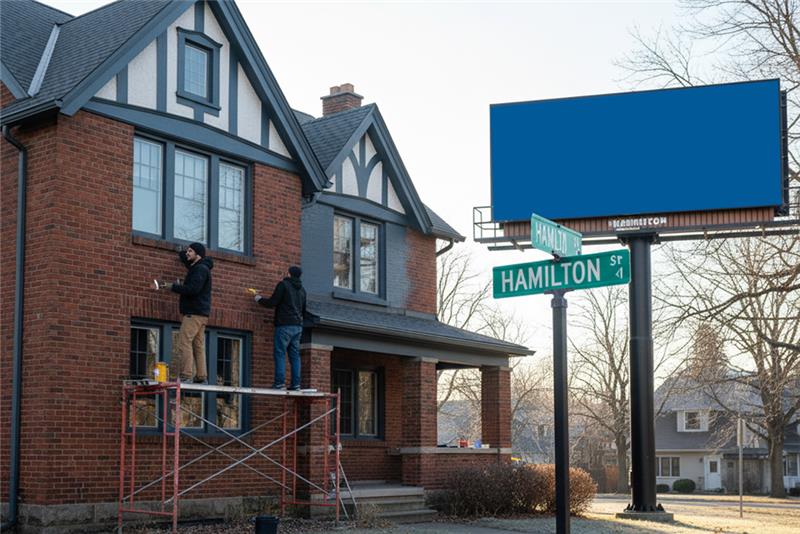
Exterior Painting in Hamilton can be challenging because the local weather isn’t always predictable. One week brings warm sunshine, the next brings sudden rain, heavy winds, or early frost. These frequent changes play a major role in how well your home’s exterior paint holds up over time. If you’re planning to refresh, upgrade, or repair your home’s outside appearance, understanding how Hamilton’s weather affects the painting process is essential.
This is why exterior painting Hamilton professionals emphasise preparation, timing, and the right materials. Whether you live near the lake, in the suburbs, or in the city’s older neighbourhoods, the climate influences everything from paint adhesion to long-term durability. Ignoring these factors can result in peeling, fading, cracking, or expensive repainting far sooner than expected.
In this comprehensive guide, we break down everything you must know before starting an exterior paint project in Hamilton—including ideal weather conditions, the importance of weatherproof paint, maintenance tips, and how to protect your home year-round.
Hamilton’s Climate: Why Exterior Painting Requires Extra Care
Hamilton’s location on the western edge of Lake Ontario means homeowners experience a unique combination of lake-effect moisture, strong winds, warm summers, humid conditions, and cold winters. These fluctuating conditions create challenges for any exterior paint job.
When considering exterior painting in Hamilton, keep the following climate factors in mind:
Frequent Moisture
Humidity, fog, and sudden rainfall can interfere with drying times and prevent paint from properly bonding to surfaces.
Temperature Swings
Hamilton can jump from cold mornings to hot afternoons, causing expansion and contraction in siding and trim.
Harsh UV Exposure
Sunny summers can cause paint to fade or blister without UV-resistant protection.
Snow & Ice
Winter moisture can seep into cracks, freeze, expand, and damage surfaces.
Understanding these local conditions is essential before choosing materials or planning your project.
Why Weatherproof Paint Is Essential in Hamilton
The number one secret to long-lasting exterior protection is using high-quality weatherproof paint. These paints are specifically designed to survive harsh weather cycles and protect your home from moisture penetration.
Benefits of Weatherproof Paint
Resists cracking and peeling
Hamilton’s temperature fluctuations can stress surfaces. Weatherproof paint remains flexible and prevents surface failure.
Protects against mould and mildew
Moisture from the lake often leads to fungal growth. Quality paint prevents it from spreading.
Superior adhesion
Weatherproof coatings bond better to wood, stucco, brick, and siding—even in humid areas.
UV protection
Prevents fading and keeps colours vibrant through hot summers.
Using high-quality products is a non-negotiable part of any exterior painting Hamilton project.
Canadian Climate Painting: What Makes It Different?
Homes in Canada face more extreme temperature fluctuations than many other regions. When planning Canadian climate painting, homeowners must consider moisture cycles, freeze-thaw patterns, and seasonal limitations.
Key Considerations for Canadian Climate Painting
1. Cold-Weather Limitations
Paint typically cannot cure properly below 10°C unless it is specially formulated. Most premium paints require mild, dry conditions.
2. Stronger Resins Required
Paints intended for Canadian weather include tougher resins and binders to withstand long winters.
3. Prep Work Is Critical
Canadian homes often experience cracking, wood rot, and paint blistering due to harsh climate cycles. Proper sanding, scraping, patching, and priming are mandatory.
4. Moisture Resistance Is Everything
Homes exposed to snow, ice, rain, and humidity need barrier-grade coatings to prevent water intrusion.
For these reasons, many homeowners rely on professional painters with experience in Canadian climate painting rather than attempting the project themselves.
The Exterior Preparation You Cannot Ski.p
Before applying paint, the surface must be cleaned, repaired, and protected. Good prep work determines how long your paint job will last.
Here’s what every homeowner should ensure:
1. Pressure Washing
Removes dirt, debris, old paintmouldld, and mildew.
2. Scraping & Sanding
Prevents uneven surfaces and ensures proper adhesion.
3. Repairing Damaged Areas
Rotten wood, peeling trim, cracks, and loose siding must be fixed before painting.
4. Priming
Essential for bare wood, patched surfaces, stained areas, or previously peeling sections.
Skipped preparation is the number one reason homeowners experience premature exterior painting failures.
When Is the Best Time to Paint in Hamilton?
Timing is critical. The right weather window ensures proper drying, bonds the paint to the surface, and extends durability for years.
Ideal Conditions for Exterior Painting Hamilton Include:
- Temperatures between 10°C and 25°C
- Low humidity
- No rain for 24–48 hours
- Light wind or no wind
- Shade or mild sun, not harsh direct sunlight
Spring and Early Fall Are Best
These seasons offer stable temperatures without excessive heat or humidity.
Summer Is Possible—but More Challenging
Direct sun and humidity can cause premature drying or bubbling.
By planning your project carefully, you ensure optimal paint performance.
Exterior Home Care After Painting
Painting is only part of maintaining your home’s exterior. To keep your investment looking fresh, homeowners must follow proper exterior home care routines.
1. Annual Inspections
Check for peeling, chipping, fading, or moisture damage.
2. Seasonal Cleaning
A gentle rinse can remove dirt, mildew spores, and pollen.
3. Repair Small Issues Immediately
Tiny cracks or chips often become larger problems if ignored.
4. Trim Landscaping
Keep bushes and vines away from the siding to improve ventilation.
5. Protect High-Wear Areas
Door frames, window sills, and railings may need touch-ups more frequently.
Prioritizing exterior home care can extend the life of your paint job several years beyond the typical lifespan.
Common Paint Problems in Hamilton Homes
1. Blistering Paint
Often caused by painting over moisture or extreme heat.
2. Peeling
Occurs when the previous paint layer wasn’t properly adhered.
3. Fading Colours
UV exposure leads to sun bleaching—especially for deep colours.
4. Mold and Mildew Growth
More common in shaded, humid, or wooded areas.
5. Cracking or Flaking
Usually indicates old paint, poor prep, or climate stress. Many of these issues can be prevented by choosing high-quality weatherproof paint and ensuring proper application techniques.
Why Hiring a Professional Painter Pays Off
While DIY exterior painting is possible, Hamilton’s climate often makes it tricky. Professional painters bring expertise, specialised equipment, and knowledge of Canadian climate painting challenges.
Advantages of Hiring a Pro:
- Proper surface evaluation
- Expert prep work
- Access to premium weatherproof products
- Perfectly even application
- Long-lasting results
- Warranty or guarantee
- Faster project completion
With Hamilton’s unpredictable weather, professional help often ensures better durability and lower long-term costs.
How to Choose the Right Colours for Hamilton Exteriors
Climate and lighting influence how exterior colours appear.
Cool Tones Work Well in Overcast Regions
Hamilton gets plenty of cloudy days, which enhances greys, blues, and neutrals.
Warm Tones Brighten the Exterior
Earthy reds, soft greens, and warm browns bring inviting charm.
Dark Colours Require Extra Protection
They fade faster in sunlight and require UV-resistant coatings.
Colour choice is both aesthetic and functional—especially with exterior painting Hamilton homes, where climate demands extra protection.
Final Tips for Successful Exterior Painting
To get the best, longest-lasting results:
- Pick the right weather window
- Use top-quality weatherproof paint
- Prepare the surface thoroughly
- Consider professional help
- Follow a long-term exterior home care plan
When done correctly, exterior painting boosts curb appeal, prevents damage, and protects your home for years.
Frequently Asked Questions (FAQ’s)
Q1. When is the best time to paint outside in Ontario?
A: The best time to paint outside in Ontario is during spring and early fall when temperatures are mild, humidity is low, and weather conditions are stable. Avoid extreme heat, cold, or rainy days.
Q2. How does the weather affect exterior paint?
A: Weather affects exterior paint by influencing drying time, adhesion, and durability. Moisture, heat, wind, and cold can cause peeling, cracking, or fading, making proper timing and weatherproof products essential.