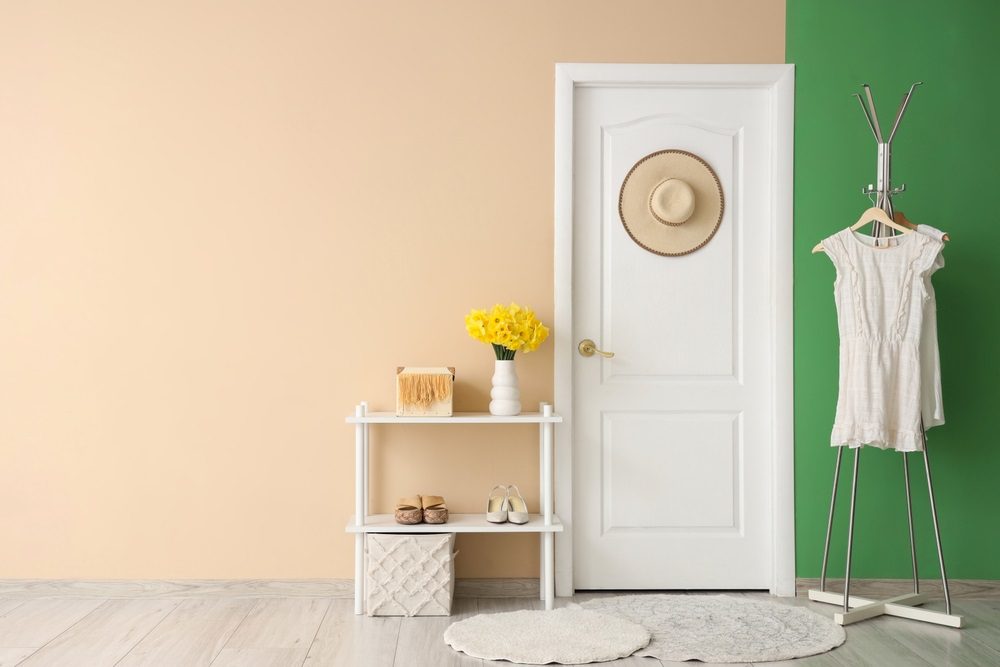
When most people think about changing the look of a room, they think of paint. Others focus on lighting—adding brighter bulbs, buying new fixtures, or installing smart technology. But the real magic happens when the two work together. In modern homes, the combination of smart lighting, interior design, and thoughtful wall color choices can completely reshape the mood, depth, size, and personality of any space.
Whether you’re planning a complete home renovation, looking for fresh painting ideas, or simply want to understand how paint and light effects influence each other, this guide will walk you through the science and art of creating visually stunning interiors.
Why Lighting and Color Must Be Planned Together
Color does not exist independently—its appearance is shaped entirely by the light hitting it. A soft beige wall can look golden at sunrise, grey under cool LED bulbs, or warm and cozy with dimmed ambient lighting. This is why professional designers rarely choose paint first; they always consider the type of light a room will have.
Smart lighting interior design takes this one step further by allowing homeowners to change brightness, temperature, and even color tones with a tap. When paired with intentional wall colors, the possibilities multiply.
Think of lighting and paint as partners—they should complement, enhance, and sometimes even balance each other.
How Smart Lighting Changes the Mood of a Room
Smart lighting is no longer just a futuristic luxury—it’s become a key component in modern home renovation. It allows you to adjust warmth, brightness, and hue depending on the time of day or the mood you want to create.
Here’s how smart lighting influences your walls:
1. Warm vs. Cool Light
- Warm lighting (2700K–3000K) makes walls feel cozier, richer, and softer.
- Cool lighting (4000K–5000K) enhances crispness and makes colors appear cleaner and more modern.
A blue wall may read calm and beachy under cool lighting, but feel dramatic and moody under warm tones. This is why paint and light effects must be tested together before committing.
2. Brightness Levels
Dimming your smart lights can turn bold colors subtle or soften sharp contrasts. For example:
- High brightness = enhances saturation and detail
- Low brightness = invites depth, shadows, and warmth
Smart lighting interior design gives you the flexibility to tune these levels instantly.
3. Colored Lighting
RGB smart bulbs add creative customization:
- Purple lighting enhances grey walls
- Warm amber lighting intensifies terracotta
- Cool blue lighting transforms white rooms into futuristic spaces
However, colored lighting should enhance, not overpower. The key is balance.
Choosing the Right Paint for Your Lighting Setup
Selecting paint without understanding your lighting setup can lead to disappointing results. Here’s how to choose wisely based on your environment.
1. Natural Light Exposure
Rooms with abundant natural light handle darker colors well because sunlight reveals richness and detail.
Rooms with little natural light benefit from lighter tones to avoid feeling boxed in.
2. LED and Smart Lighting Settings
Test your paint samples under:
- Morning light
- Evening light
- Bright white settings
- Warm dim settings
This helps you see the full spectrum of paint and light effects.
3. The 3-Sample Rule
Always test three variations:
- One shade lighter
- One shade darker
- Your original choice
Smart lighting interior design can amplify or mute colors, so testing ensures accuracy.
How Wall Colors Influence Lighting Perception
Just as lighting changes color, color changes lighting.
1. Light Colors Reflect Light
White, cream, and pale grey bounce light around the room, making spaces look:
- Larger
- Brighter
- Airier
Pairing light wall shades with smart lighting helps distribute illumination evenly, perfect for minimalist or modern interiors.
2. Dark Colors Absorb Light
Navy, charcoal, and deep green create cozy, dramatic spaces by absorbing excess brightness.
In these rooms, smart lighting interior design offers extra control—choose dimmable warm lights for a lounge-like feel or cool white for clarity.
3. Bold Colors Shift Dramatically
Red, blue, and yellow walls often change character based on lighting temperature.
For example:
- Red may look luxurious under warm light, but harsh under cool lights
- Blue may appear calming under cool tones, but moody under warm tones
Understanding these shifts is essential when brainstorming painting ideas.
Smart Lighting Techniques to Elevate Wall Colors
Here are practical ways to use smart lighting to your advantage.
1. Accent Lighting
Highlight a feature wall or art piece with directional lights. This creates depth and visual interest.
2. Layered Lighting
Use three layers:
- Ambient (general lighting)
- Task (focused light for activities)
- Accent (visual enhancement)
When combined with thoughtful paint selection, each layer contributes to a multi-dimensional environment.
3. Scene Presets
Smart systems allow you to create preset scenes:
- “Relax” – warm lights + soft wall glow
- “Focus” – bright cool lights for work
- “Movie Night” – dimmed lighting with subtle color tones
These scenes transform the perception of wall colors instantly.
Color Pairing Ideas for Smart Lighting Homes
Here are some modern painting ideas that work beautifully with smart lighting systems:
1. Soft Greys + Cool White Smart Lights
Perfect for a modern, clean aesthetic. Greys adapt well to temperature changes, making them a top choice for flexible spaces.
2. Warm Neutrals + Amber Smart Lighting
Creates a spa-like, comfortable environment. Ideal for bedrooms or living rooms.
3. Deep Navy + Dimmable Warm Lights
Adds luxury and moodiness. This combination works great in dining rooms or reading corners.
4. Earthy Greens + Color-Changing LEDs
Green tones work beautifully with smart lighting interior design, creating biophilic-inspired spaces that feel fresh and modern.
Why Smart Lighting and Paint Choices Matter for Home Renovation Projects
If you’re planning a home renovation, integrating lighting and paint decisions early is essential.
1. Cost Savings
Planning lighting and paint together avoids costly repaints or rewiring later.
2. Cohesive Design
Your final space feels intentional—lighting enhances the paint, and paicomplements the lighting.
3. Flexibility for Future Changes
Smart lighting allows you to adjust mood and personality without repainting every time.
4. Boosts Home Value
Potential buyers notice thoughtful interior design and modern smart technology.
When you combine intelligent lighting plans with well-chosen wall colors, your home instantly feels more polished, functional, and welcoming.
Final Tips for Perfecting Your Space
- Always test paint samples in the actual lighting you plan to use
- Consider dimmers and multi-temperature lighting systems
- Avoid mixing too many colors or light temperatures
- Invest in quality LED smart bulbs for better accuracy
FAQ’s
Q1. How does lighting affect paint color appearance?
A: Lighting impacts how paint looks by shifting its warmth, depth, and intensity. Different temperatures, brightness levels, and natural lighting conditions change how colors appear throughout the day.
Q2. What are the best paint colors for smart homes?
A: Smart homes benefit from versatile paint colors like soft grey, warm beige, navy, and muted green. These shades adapt beautifully to various smart lighting temperatures and color-changing LED settings.