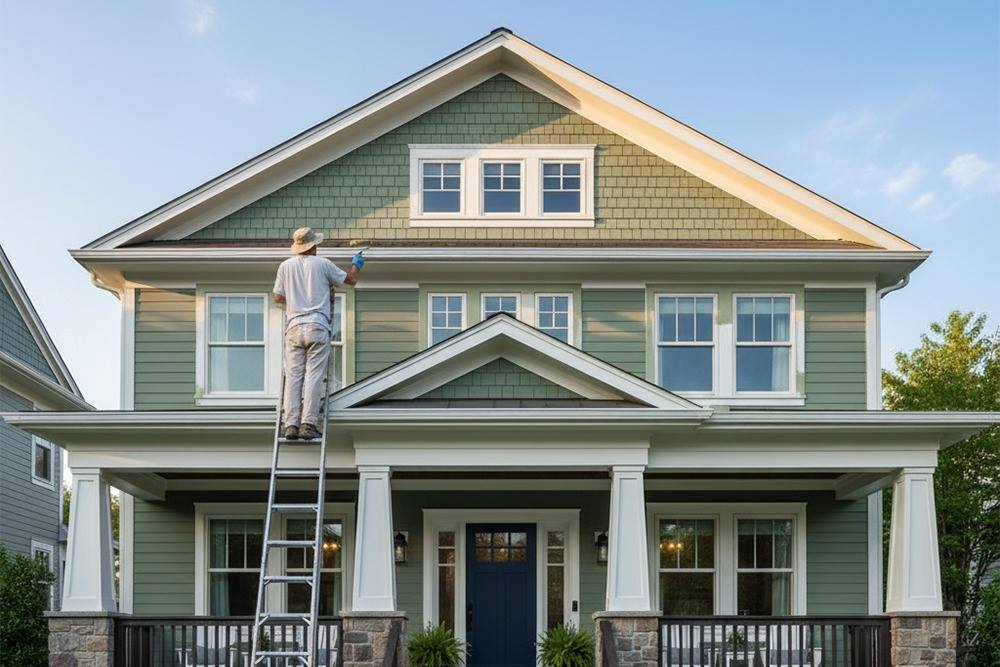
Your home’s exterior is the first thing visitors see, and its condition speaks volumes about how well the property is cared for. A fresh, well-maintained paint job doesn’t just look sharp — it protects siding, trim, and structural elements from the elements. If you live in Hamilton or its surrounding areas, understanding exterior paint Hamilton best practices can help you get a finish that lasts.
In this post, we’ll cover smart house maintenance tips, techniques to preserve long-lasting exterior paint, and ideas for curb appeal improvement that make your home stand out.
Why Maintenance Matters
Even high-quality paint doesn’t maintain itself. Over time, exposure to sun, moisture, freeze-thaw cycles, and airborne pollutants can wear down coatings. Without proactive upkeep, minor damage (cracks, chips, peeling) can turn into big issues: moisture infiltration, wood rot, or substrate damage.
By investing in regular maintenance, you prolong the life of your paint, reduce costly repairs, and keep your home looking its best. That’s the core of good house maintenance tips — small efforts now save big headaches later.
When done properly, your home’s exterior will retain its beauty for a decade or more — the hallmark of truly long-lasting exterior paint.
1. Start With a Solid Foundation: Inspection & Cleaning
Annual or Semi-Annual Inspections
Make it a habit (spring and fall work well) to walk your home’s perimeter and examine painted surfaces. Look for:
- Peeling, cracking, blistering paint
- Discoloration or fading
- Fine hairline cracks
- Exposed or damaged substrate (wood, siding, masonry)
- Deteriorated caulking around windows and doors
Catching issues early means you can correct them before they spread.
Gentle Washing to Remove Grime
Dirt, mildew, pollen, road dust, and mold can bond to the paint surface and degrade it over time. Using a garden hose or a low-pressure washer (set appropriately), wash the exterior gently with mild soap or a dedicated siding cleaner. Avoid blasting with high pressure, which can strip paint or force water behind the coating.
This step helps the surface “breathe,” letting moisture escape rather than being trapped under layers of grime. In Hamilton’s climate, this is especially important given the humidity and precipitation cycles.
2. Repair, Prep & Seal Before Touch-Ups
Even if your paint is largely intact, small damaged spots need proper prep.
Scrape, Sand & Remove Loose Paint
For any flaking or peeling areas, remove loose material with a scraper or wire brush. Sand rough edges so the transition from old to new is smooth. This ensures fresh paint can adhere properly.
Recaulk Gaps & Seal Joints
Caulk around windows, door trim, siding seams, and joints where materials meet (wood to masonry, trim to siding). Use a high-quality exterior caulk compatible with paint. A breach in caulking is often a primary route for moisture intrusion and paint failure.
Spot Primer as Needed
Any bare wood, patched areas, or exposed materials should receive a compatible primer before applying the finish coat. Even the best long-lasting exterior paint performs poorly if the substrate isn’t properly primed.
3. Apply Touch-Ups & Targeted Repainting
You don’t always need to repaint the entire house. With proper prep, you can extend the life of your original coat by handling smaller zones.
- Use leftover paint (if sealed properly) to blend and patch minor defects
- Feather new paint outward so edges disappear
- Repaint in favorable weather conditions — moderate temperature, low humidity, no rain in the forecast.
- Work on one wall or section at a time to maintain “wet edges” (avoid lap marks)
If larger areas degrade or color fade is noticeable, full repainting might be in order — but the above steps delay that need.
4. Choose Durable Materials & Sensible Colors
One of the best exterior painting Hamilton strategies is selecting the right products from the start.
Invest in High-Performance Paint
Premium exterior paints often come with enhanced UV resistance, mildew inhibitors, stronger binders, and warranties. These formulations help maintain vibrancy and adhesion in a range of weather extremes.
Also, paint designed to “move” (expand/contract with the building substrate) will resist cracking over time in Hamilton’s freeze-thaw cycles.
Choose Balanced Sheen & Color
Flat finishes look great but are vulnerable to gathering dirt and stains. Satin or eggshell offers a good balance of moderate sheen and ease of cleaning. Use semi-gloss or gloss for accents and trim for durability.
Lighter colors reflect UV, reducing heat load and preventing some degradation. Deep reds or very dark tones can fade faster or show chalking more readily under harsh sun.
5. Control Landscaping & Water Flow
Your environment plays a big role in how long your paint will last and how appealing your home looks.
- Trim shrubs, creeping vines, or overhanging branches so they don’t rub against siding or trap moisture
- Ensure gutters, downspouts, and splash blocks divert water away from walls
- Clean gutters and downspouts regularly to avoid water overflow onto painted surfaces
- Keep the ground grading sloped away from the foundation so splashback is minimized
These steps directly contribute to curb appeal improvement, while protecting your paint from moisture damage.
6. Seasonal Care & Weather Awareness
Hamilton’s climate means paint sees a wide range of conditions — hot summers, freezing winters, humidity, snow, wind, and storms. A few smart habits help preserve your finish.
- In late fall, rinse away debris and roadway salts that can accumulate
- In winter, avoid chipping off snow or ice aggressively near painted surfaces
- In spring, re-inspect after freeze-thaw cycles
- Avoid painting during extreme cold (< 10 °C) or high heat (> 30 °C), and steer clear of days with high humidity or forecasts of rain.
- Some professionals recommend doing full repainting jobs in the fall, when the temperature and humidity are more stable and scheduling is easier.
7. Plan for Full Repaints Strategically
Even with excellent care, every paint job eventually reaches its lifespan. For many types of siding or wood trim, this may be every 8–12 years (depending on exposure, quality, etc.). Long-lasting exterior paint still wears out — but when you plan proactively, your next job starts from a better foundation.
When preparing for a full repaint (or major refresh), bring forward everything you’ve learned from maintenance: comprehensive prep, proper primer, weather timing, and intelligent color/stain selection. Also, using exterior painting Hamilton professionals for full jobs ensures peak quality, especially for high or tricky surfaces.
Curb Appeal Improvement Through Visual Upgrades
Boosting curb appeal is more than maintaining paint — it’s about design accents that enhance your home’s first impression.
- Choose complementary accent colors for doors, shutters, and trim
- Use architectural details (window frames, fascia, eaves) to break up large expanses
- Keep walkway, steps, and porch areas clean and painted/coordinated
- Use lighting to showcase texture, trim, and paint finish
- Keep lawn, garden beds, and hardscape details up to par
A well-maintained paint job amplifies these features. In neighborhoods around Hamilton, a refresh done right can sharply increase perceived home value and pride.
When homeowners invest in exterior painting Hamilton combined with thoughtful landscaping and trimming, the curb appeal gains are dramatic.
Summary Checklist for Ongoing Exterior Paint Maintenance in Hamilton
| Task | Frequency | Reason / Benefit |
|---|---|---|
| Visual inspection | Semi-annually | Spot early defects before they worsen |
| Gentle wash | Annually | Remove dirt, mold, and pollutants |
| Gutters & drainage cleanup | Biannually | Prevent water damage and staining |
| Trim vegetation | Ongoing | Avoid moisture trapping and damage |
| Touch up & primer | As needed | Extend life, prevent peeling |
| Full repaint planning | Every 8–12 years | Renew protective barrier & aesthetics |
Adhering to that schedule, combined with the techniques above, helps you maintain long-lasting exterior paint, preserve value, and achieve continuous curb appeal improvement.
FAQ’s
Q1. How often should I repaint my home exterior?
A: Typically every 8–12 years, depending on siding material, paint quality, and climate exposure — though touch-ups and maintenance can extend that interval.
Q2. What causes exterior paint to peel or fade?
A: Peeling and fading result from poor surface prep, moisture infiltration, inadequate priming, UV exposure, temperature stress, and subpar paint formulations.